352-284-7646


Why Curb Appeal Sells Gainesville Homes Faster Than Any Update Inside
Curb appeal is not about impressing anyone. It is about setting the tone.
Buyers make emotional decisions first and logical decisions second. The moment they pull up, they are already deciding how open they feel toward the home. They are reading the driveway, the walkway, the trim, the landscaping, the overall sense of care. They are picking up on details you no longer notice because you see them every day.
And that first moment creates the filter they use for the rest of the showing.
A Calm Exterior Makes the Interior Feel Bigger
When the outside is neat, open, and intentional, buyers walk in with their chest open instead of tight.
Their breathing shifts. Their pace slows. They absorb the rooms more fully and with more imagination.
A calm exterior creates a calm mind, and calm minds make stronger, faster decisions.
Even if they cannot articulate it, buyers move through the home differently when the approach feels cared for. That single moment of ease does more for the showing than most people realize.
Buyers Form an Impression Before They Reach the Door
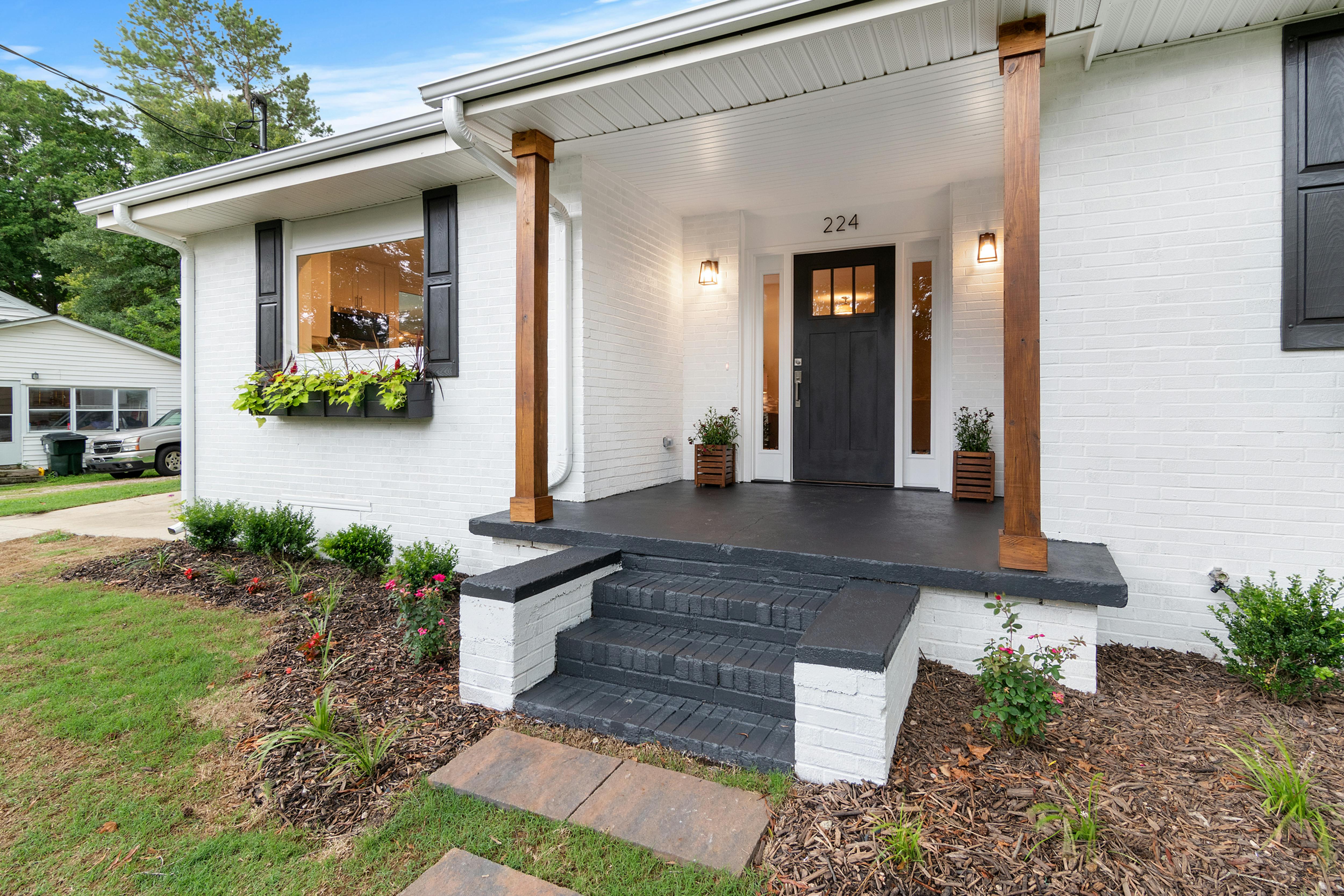
Before a buyer ever steps inside, they are already forming opinions about space, value, and care. A tidy walkway, a fresh-looking entry, healthy landscaping, and a door that opens smoothly create a sense of welcome that carries through every room.
These details do not have to be expensive. They simply need to feel intentional. They tell the buyer that the home has been respected, and that feeling shapes how they interpret everything that follows.
What Buyers Actually Notice at First Glance
Buyers are not looking for perfection. They are looking for signals.
They are noticing whether the home feels maintained. They notice whether the porch looks tended and welcoming or forgotten. They take in the landscaping and instantly understand whether care has been consistent or last-minute.
What they do not care about is whether every plant is exotic or whether the mulch is brand new. They do not need a designer-level entrance.
They need clarity.
Clean. Simple. Intentional.
These are the elements that communicate value.
Why Curb Appeal Outweighs Many Interior Updates
A clean, inviting exterior builds momentum.
When the entry feels cared for, buyers assume the rest of the home has been treated with the same attention. That assumption benefits you.
On the flip side, when the exterior feels chaotic or neglected, buyers walk in looking for what else might be wrong. They become more cautious. They hesitate. And hesitation slows everything down.
Curb appeal removes that hesitation before it has a chance to form.
What This Means for You as a Seller
The small things you plan to get to later speak loudly to buyers.
A stack of old nursery pots in the corner of the backyard. Weeds pushing through the walkway. A loose doorknob that sticks and does not open smoothly. A light fixture with a missing bulb. These details are easy to overlook when you live with them, but they quietly shape a buyer's confidence from the moment they arrive.
Curb appeal is not about spending thousands of dollars. It is about removing friction and adding ease.
A calm, cared-for exterior sets up a smooth showing, strengthens the emotional connection buyers feel, and makes your entire home read as more valuable.
It is one of the simplest and most powerful steps a seller can take.